
Estate Planning for Physicians: Wills, Trusts, Prenups and More with Brooke Hardie
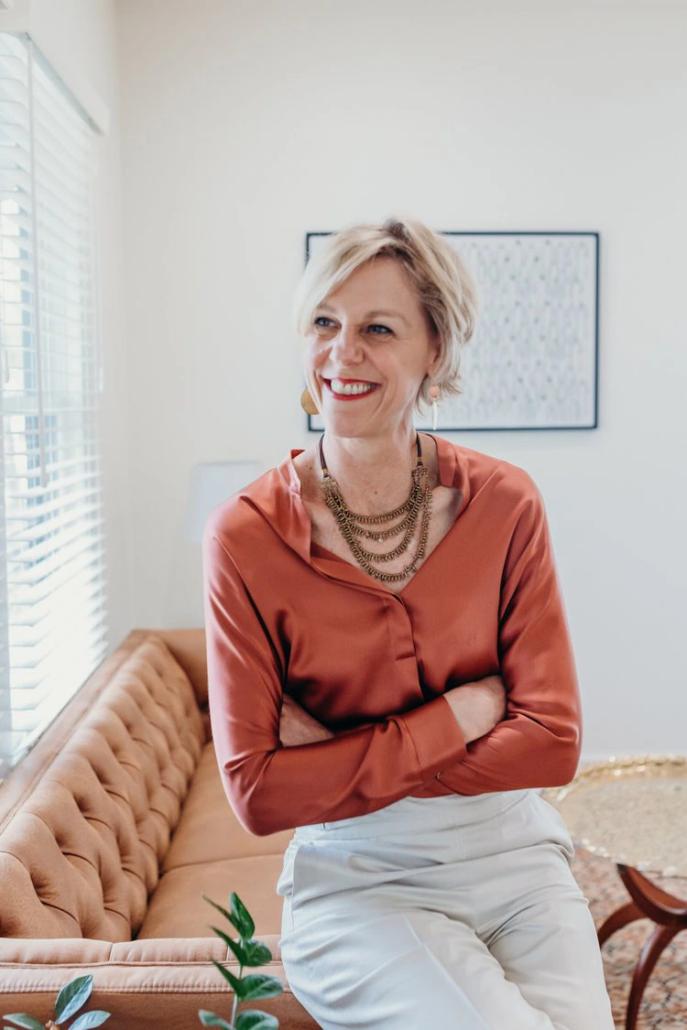
What happens to your assets if you die without an estate plan?
What if you have a blended family, a prenuptial agreement, minor children, or property in multiple states?
Estate planning can feel like something to put off until later, but for physicians and other high-income professionals, a thoughtful plan can reduce confusion, expense, and conflict for the people you leave behind.
On this episode of The Patient Physician Podcast, Paul Smith and co-host Chris Fullbright sit down with estate attorney Brooke Hardie, Esquire, for a practical conversation about estate planning for physicians, common mistakes, and the importance of keeping your plan current.
Hardie works with families across a wide range of circumstances, from everyday estate-planning needs to estates valued at more than $100 million. Throughout the conversation, she emphasizes a central theme: estate planning isn’t a one-time task. It’s an ongoing process that should evolve as your life changes.
Why Estate Planning Matters for Physicians
Estate planning isn’t simply about deciding who receives your assets after you die. A comprehensive plan can also address who can make financial and medical decisions for you if you’re unable to do so, who will care for minor children, and how assets should be managed for beneficiaries.
For physicians, those considerations can become particularly important as their financial lives become more complex. Changes in income, property purchases, marriage or divorce, children, inheritances, and relocation to another state can all affect an existing estate plan.
During the podcast, Chris acknowledges that his own estate plan could use some attention—a relatable reminder that even people who understand the importance of planning can let their documents fall out of date.
Hardie’s message is straightforward: creating an estate plan is only the beginning. It needs periodic review to ensure it still reflects your circumstances and wishes.
When Should You Update Your Estate Plan?
Life rarely stays the same for long, and major changes can create a reason to revisit your estate plan.
Hardie recommends reviewing an estate plan regularly—generally every three to five years—and sooner when significant life events occur.
Those events might include:
· Getting married or divorced
· Having or adopting a child
· Purchasing or selling significant property
· Moving to another state
· Receiving a substantial inheritance
· Experiencing a significant change in wealth or income
· Entering into a new employment or physician contract
· Changes involving beneficiaries or family circumstances
A plan that made sense several years ago may no longer accomplish what you intend today.
Wills, Trusts, and Other Estate-Planning Tools
A major portion of the conversation focuses on the tools people use to create an estate plan, including wills and trusts.
Terms such as revocable trust and irrevocable trust can sound intimidating, but Hardie explains that these are ultimately tools designed to accomplish particular goals. The appropriate tools depend on an individual’s circumstances, assets, family structure, and objectives.
Trusts can play an important role in some estate plans, including situations where avoiding probate, maintaining privacy, or providing for beneficiaries in a structured way is a priority. Probate procedures and estate-planning laws vary by state, so someone who owns property in multiple states may have additional considerations to address.
The key takeaway is that no single estate-planning strategy works for everyone.
Planning for Children and Other Beneficiaries
Parents of minor children have another important consideration: how their assets will be managed if something happens to them.
Simply leaving assets to a minor child may not produce the outcome a parent expects. Depending on the circumstances and applicable state law, a trust can provide a framework for managing assets for a child and establishing how and when those assets may be distributed.
Hardie discusses the importance of thinking beyond simply naming beneficiaries. Parents should consider who will manage assets, who will care for their children, and how they want to address their children’s financial needs over time.
These decisions can be especially important for families with significant assets or more complicated family structures.
Don’t Forget the Other Important Documents
A will or trust is only part of a comprehensive estate plan.
Hardie emphasizes the importance of having appropriate documents in place for situations where you’re still alive but unable to make decisions for yourself. Depending on your circumstances and state law, that may include documents addressing financial powers of attorney and health-care decisions.
Beneficiary designations also deserve attention. Retirement accounts, insurance policies, and other financial accounts can pass according to their beneficiary designations rather than according to the instructions in a will. Keeping those designations aligned with your overall estate plan is therefore an important part of the process.
When Online Estate Planning May Not Be Enough
The internet has made basic estate-planning resources more accessible than ever. For someone with a very simple “Leave it to Beaver” situation, an online template may provide an inexpensive solution.
But complexity changes the equation.
Hardie and the hosts discuss why professional legal advice can be particularly valuable when an estate involves substantial assets, property in multiple states, international considerations, special-needs beneficiaries, blended families, or other complicated circumstances.
The goal isn’t simply to have documents. It’s to make sure the documents work together and address the circumstances they’re intended to address.
Avoiding Common Estate-Planning Mistakes
One of the most compelling parts of the conversation is Hardie’s discussion of families who encounter significant problems because they didn’t have an adequate or current plan.
The consequences can extend well beyond the financial cost. Poorly coordinated documents or outdated beneficiary designations can create confusion among family members and may result in decisions being made through a process the person never intended.
Hardie’s advice is simple: don’t wait until a crisis forces the issue.
Everyone should consider having a will and an appropriate estate plan, but the plan’s complexity should reflect the individual’s circumstances.
Estate Planning Is Part of Taking Care of Your Family
Ultimately, the conversation with Brooke Hardie is about more than wills and trusts. It’s about preparation.
Estate planning allows you to make important decisions while you’re able to make them—and to communicate those decisions clearly to the people who may eventually have to carry them out.
For physicians, whose careers and financial circumstances can evolve significantly over time, estate planning should be an ongoing component of a broader financial plan rather than a one-time task.
Hardie’s broader mission is legal literacy: helping people understand the laws and documents that affect their everyday lives. Her approach makes an often-intimidating subject more approachable and reinforces an important message: understanding your plan is just as important as having one.
As Paul puts it during the conversation, taking care of yourself first allows you to be there for others. Estate planning is one way of extending that philosophy to the people and family you care about.
Listen to the Full Episode
Listen to The Patient Physician Podcast for the full conversation with Brooke Hardie and more discussions focused on the physical, mental, and financial well-being of physicians.
You can also watch the full episode on YouTube – https://youtu.be/sBhXihsRH5w
This episode of The Patient Physician podcast is for educational purposes only and is not legal advice. Estate-planning laws vary by state and individual circumstances. Consult a qualified attorney regarding your specific situation. Advisory services offered through PRS Investment Advisors, a Member of Advisory Services Network, LLC. Tax services and insurance products offered through Physician’s Resource Services. Advisory Services Network, LLC and Physician’s Resource Services are not affiliated. All information contained herein is derived from sources deemed to be reliable but cannot be guaranteed. All views/opinions expressed in this article are solely those of the author and do not reflect the views/opinions held by Advisory Services Network, LLC.
If you’re ready to take a closer look at how estate planning fits into your broader financial picture, reach out to the team at Physician’s Resource Services to schedule a conversation.
Date: February 17, 2026
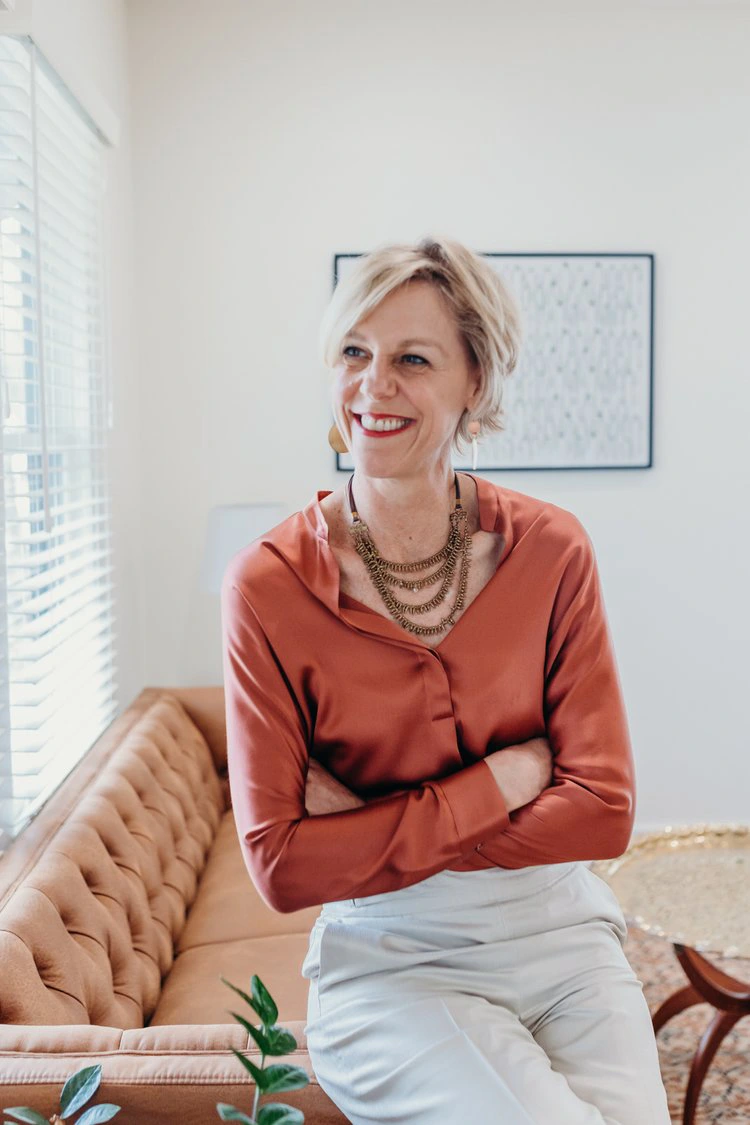
Brooke Hardie, Esq
When Brooke started her law firm years ago from a tiny office with a card table, a chair, a phone and used copy of the Texas Probate Code, she’d never have guessed that the firm would ultimately grow to its current size and caliber. But the longer her short commute became, Brooke came to realize that as the Austin area continued to grow, it was imperative that she cultivate a team that is unique, gifted and hard-working in order that the firm could serve more people in the community.
Enter Riley Alcozer and all of the other wonderful Hardie Alcozer team members. Having some of Austin’s finest talent show up at the office every day has allowed Brooke to become more available to mentor the firm’s younger attorneys and consult on the trickier client matters while maintaining her own client base. And she's now teaching legal basics to the rest of us through her podcast, Life is Legal.
Brooke makes the law accessible to the non-lawyer. ⚖️ Follow @brookehardielawyer on IG for her entertaining adulting basics videos.
Brooke Hardie's Practice Areas: Estate Planning, Probate & Estate Administration Education: J.D., University of Houston Law Center and B.A., University of Texas at Austin Bar Admissions: Texas
Episode Summary
Estate planning isn't just about deciding who gets your stuff when you die. For modern families, it can involve blended families, prenups and postnups, minor children, incapacity planning, beneficiary designations, and decisions that can have very different consequences depending on where you live. Estate attorney Brooke Hardie joins The Patient Physician podcat for a practical conversation about the estate-planning decisions families often overlook—and the mistakes that can become costly later.
Contact: info@physiciansrs.com